Electroless nickel plating: Insight articles

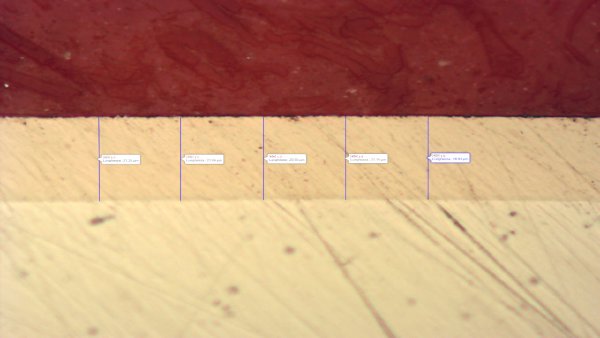
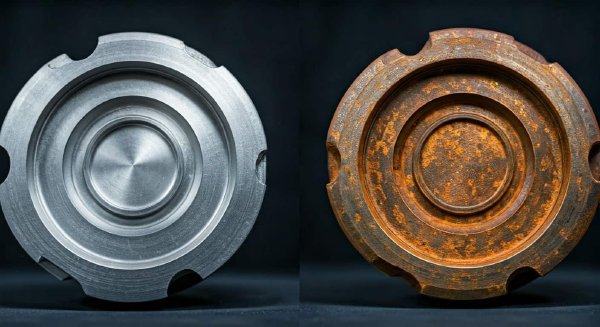
Corrosion resistance of electroless nickel plating

Corrosion resistance of electroless nickel plating

Difference between electroless nickel plating and electroplated coatings

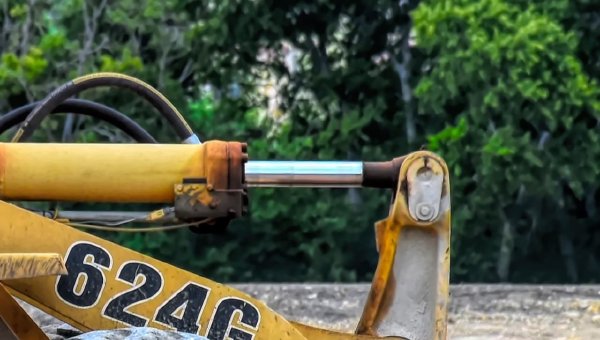
Electroplated coatings (such as chrome plating, electrolytic nickel plating, zinc plating, zinc-nickel plating) are deposited by applying direct current to the part, which allows the metal to be deposited on the surface of the part to be coated.

Read More
Copper-Aluminum Busbars: Ni-P for Solderability & Durability

Copper-Aluminum Busbars: Ni-P for Solderability & Durability

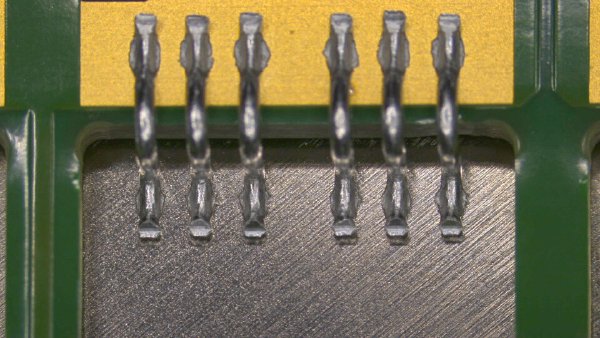
The term busbar refers to distribution bars used to transfer or distribute electrical energy, typically at high currents. At first glance they are simple components: a “clean” geometry, a defined cross-section, a conductive material. In practice—especially in e-mobility, inverters, battery packs, and power converters—the busbar becomes a critical element because connection performance depends not only on the volume of metal, but on the quality of the surface at the joint areas.

Read More
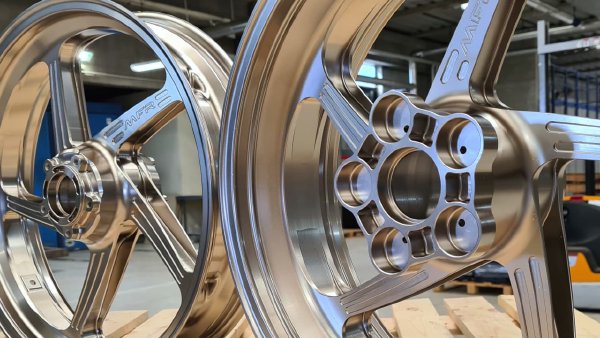
Electroless nickel plating or chrome plating?

Electroless nickel plating or chrome plating?

Galvani invented the battery in 1791, which later enabled the development of electroplating: the deposition of metal on conductive surfaces. The first industrial chrome-plating electrolytes were introduced in the second half of the 19th century and refined in the early 20th century. Apart from minor variations in electrolyte formulations, the principal component of chromium-plating baths remains chromium trioxide, CrO3, known as chromic acid in solution. Chromium is present in this electrolyte in its hexavalent form, and its salts are known as chromates.

Read More
Pre-treatment dimensional tolerances calculator

Pre-treatment dimensional tolerances calculator

With the online calculator presented below, you can determine the dimensional tolerances of shafts and holes.
This tool takes into consideration the coatings applied to mechanical parts, allowing you to calculate the dimensional tolerances needed in pre-treatment machining, in order to ensure the correct tolerance of the finished part after surface treatment.

Read More
Self-lubricating electroless nickel coatings

Self-lubricating electroless nickel coatings

The electroless nickel plating process allows the creation of composite coatings made of functional particles included in a nickel matrix. Through the process, it is possible to incorporate particles into the electroless nickel layer, provided that specific parameters are respected to allow the co-deposition of the particles themselves.

Read More